Concept 2 is one of the most well-known brands in the fitness equipment industry, particularly for people in the market for a rowing machine. The brand manufactures a few different types of cardio equipment, but the most popular products are undeniably the Model C and Model D rowers.
The Model D rowing machine is the more recent, more updated option, which is why most people find it to be the superior rower between the two. But is that actually the case?
That's what we're here to find out in this complete comparison guide between Concept 2 Model C vs D.
Quick Comparison Of Concept2 Model C & D Rowers
We’ll cover each of the features in-depth later on, but if you’re in a hurry, here’s a quick comparison of the winning rower for each feature of the Concept 2 Model C and Model D:
Feature | Model C | Model D |
Footprint & Storage | ||
Rowing Experience | Cell | |
Weight & Height Capacity | Cell | |
Aesthetics & Build Quality | Cell | |
Integrated Tech Features | Cell | |
Performance Monitoring | Cell | |
Ease of Assembly | ||
Purchase Price & Ongoing Costs | Cell |
Concept2 Rowing Machines: An Overview
Over the past 40 years, Concept 2 rowers have been best sellers in this category of cardio equipment, and it’s all thanks to their dependable performance. Concept 2 states that the “uncompromising quality and dependability” are what make their rowers so special, and the good majority of reviewers agree.
Concept 2 manufactured its first rower, Model A, back in 1981, and since that time, they have continued making improvements and upgrades with each new model. Model C was released in 1993 until it was discontinued by the brand in 2003 when Model D came about. Even after almost 2 decades, Model D is still considered the Concept 2 rower to beat, and it is still being manufactured under its new name (RowErg).
Elite athletes use these machines for competitive training, but they also cater to beginner rowers looking for a calorie-burning cardio workout. The C and D models aren't as focused on integrated tech features as many other advanced rowers on the market, but they’re still considered the most reliable and dependable machines in this category of cardio equipment.
Unlike many rowing machines that run on magnetic resistance, the Concept 2 rowers utilize air resistance. Air resistance allows you to manually control the level of tension based on how fast or slow you row, making Concept 2 machines a great choice if you want simple (yet effective) rowing workouts.
Pros & Cons Of The Model C Rower
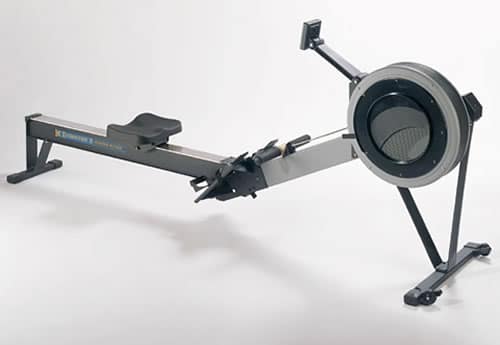
Even though it’s still a highly respected machine, Concept 2 discontinued their Model C rower for a few reasons. The good news is that they applied all the good features of Model C to Model D, and left out the bad by making the necessary improvements.
Here’s a full breakdown of the good and bad qualities you can expect from a Model C rower:
What We Like
What We Didn’t Like
Pros & Cons Of The Model D Rower (AKA RowErg)

- Integrated Device Holder allows you to keep...
- 14-inch seat height fits most uses....
- Indoor rowing is an effective full-body and...
- Includes the Performance Monitor 5, giving...
As the newer rower, it’s no surprise that Concept 2’s Model D is considered the more premium option, but it still could be improved in a few ways.
What We Like
What We Didn’t Like
Concept 2 Model C Vs D (Why The Model D Is Superior)
By now, you’ve probably already realized that the Model D rower is the better choice. Let’s find out why by comparing all the aspects of both the Model C and D machines. Below, you’ll find all the details on how these machines compare in terms of footprint, rowing experience, tech integration, and more.
Footprint & Storage
The dimensions of both machines are exactly the same - 96” long by 24” wide by 33” high. Concept 2 recommends that you have at least 9’ x 4’ of clearance for safely using either machine. Compared to other rowers, which often weigh at least 100 pounds, these weigh less than 60, which is a huge perk if you’re looking for something lightweight.
The storage capabilities of both machines are very similar, but the Model D’s is slightly more sophisticated. It’s designed to quickly detach into 2 separate pieces to decrease the footprint and make storing your rower a lot easier.
Comfortable & Realistic Rowing Experience
Both Model C and D utilize air resistance to create tension as you row. This resistance can be adjusted using the damper that’s located on the flywheel, and both machines come with 10 resistance levels.
In terms of comfort, the Model D rower is the clear winner, thanks to a few improvements Concept 2 has made over the years.
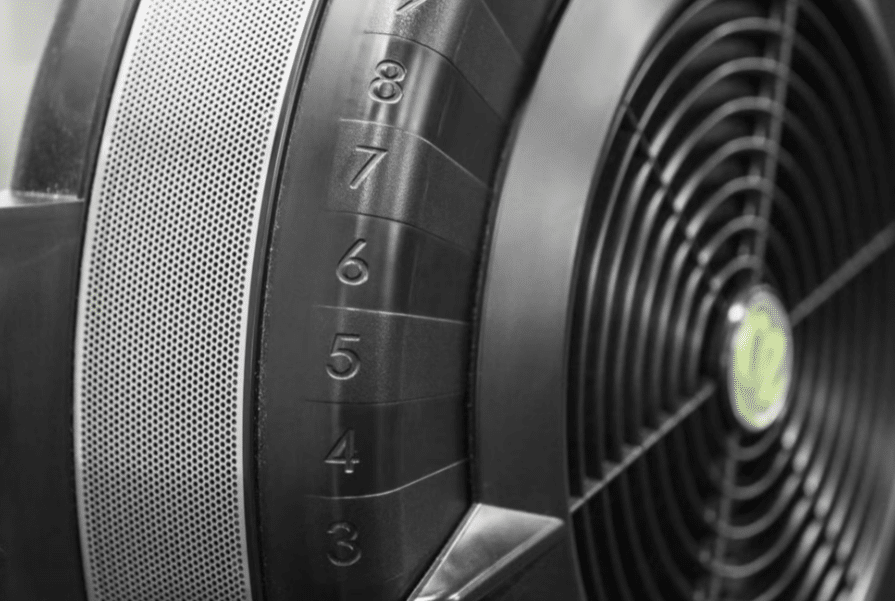
Unlike Model C, this one is offered in 2 height options to better accommodate different user heights for more comfort. The standard Model D has a 14” seat height, while the elevated version has taller legs that provide a 20” seat height.
The elevated version is recommended if you like the convenience and appearance of a taller machine, and having a taller rower can also make it easier to get on and off. Both machines offer up a realistic rowing motion, but the Model D’s is much quieter while staying true to Concept 2’s smooth operation.
Weight & Height Capacity
There’s not much difference in the weight and height capacities of these rowers; they both have a maximum user weight of 500 pounds, and they both support an inseam length of up to 38”.
Of course, it’s important to keep in mind the added option of getting a taller rower with the Model D. This is extremely beneficial for tall individuals, so if you want the most comfortable experience, you might consider the Model D’s 20” seat height.
Aesthetics & Build Quality
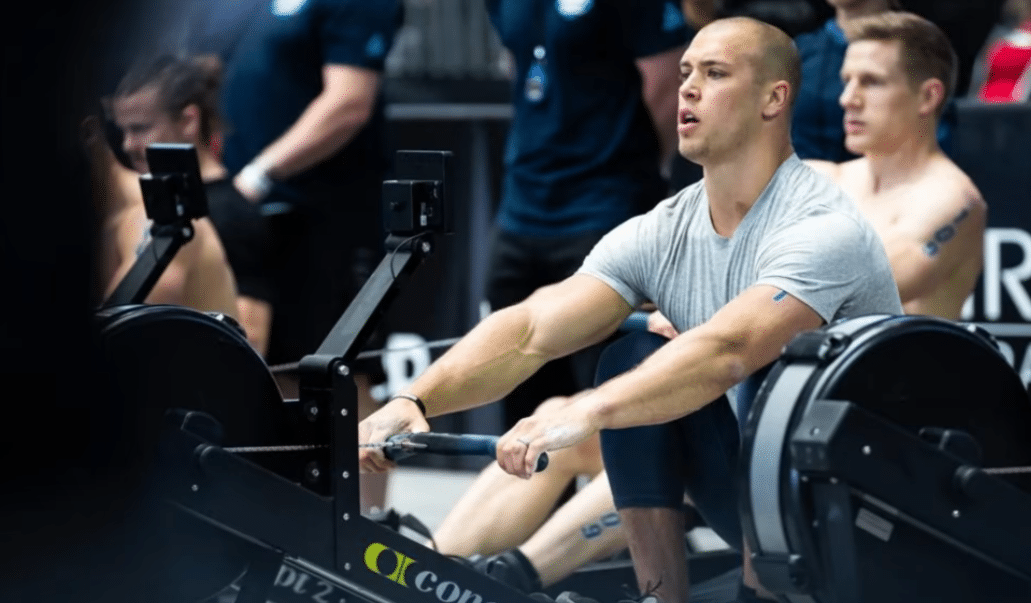
The quality construction of Concept 2 rowers is a big reason for this brand’s popularity, and both the Model C and D are built with durability in mind. They are both made from aluminum, which is shockingly sturdy considering how light in weight it is.
Aesthetically, the Model D machine is the winner. While Concept 2 hasn’t made any major changes to the build quality or construction over the years, they have changed things up with the color scheme.
The Model C was a bit bland in its coloring, but the Model D can’t be described as bland at all. The frame is a striking black, and there are lime green accents on the seat rail and flywheel.
Integrated Tech Features & Performance Monitoring
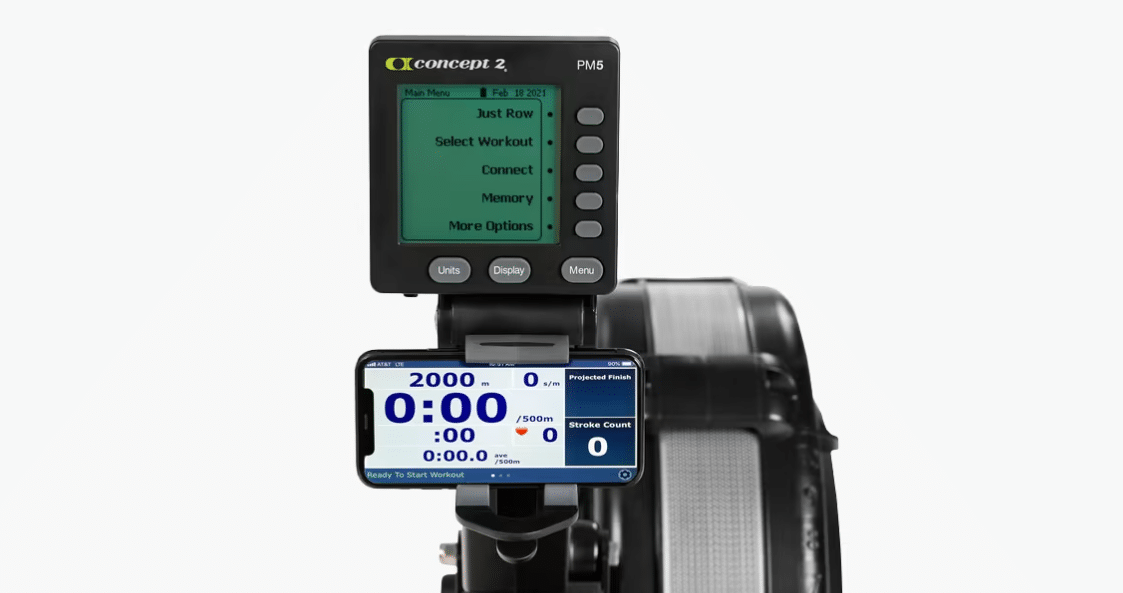
The biggest difference between Concept 2 Model C and D is probably the performance monitoring for each machine. Model C’s PM2 (that’s short for performance monitor 2) is super small and outdated, and it doesn’t come with many preset workouts or features. The Model D comes equipped with a PM5, which is still a fairly small monitor, but it offers a lot more than the PM2.
The PM5 provides repeatable, comparable data for every workout, and it includes a “Just Row” mode as well as a variety of preset workouts. As you row, you can view a wide range of data, including pace, watts, stroke rate, and calories, and the monitor automatically stores this information in either its internal memory or a USB drive. Once stored, you can easily transfer this data to Concept 2’s free Online Logbook.
Another nice addition to the Model D is the device holder that’s located directly under the PM5. If you prefer to join live rowing classes or stream on-demand workouts from an app, you can dock your phone or tablet in the holder and follow along.
Ease Of Assembly
There’s essentially no difference in the assembly steps involved in putting these rowers together. They both require you to install the front legs using 8 screws, and everything you need is included in the package. For more info on putting your Concept 2 rower together, you can check out this assembly video.
Purchase Price & Ongoing Costs
Right now, the Model D rower is selling for around $900, and there’s no need to make any ongoing app or membership purchases if you don’t want to.
It’s difficult to say how much the Model C rower is because it’s no longer being sold by the manufacturer. Concept 2 stopped selling it directly back in 2003, so if you find one for sale, it will probably be on a resale site like eBay or Amazon, and every seller can set their own prices.
One important thing to note is that your rower probably won’t be covered by warranty if you go with the Model C. This is a much older rower, so most of the warranties on Model C machines have long passed. When you purchase a new Model D rower, however, you’ll be covered with a 5-year frame warranty and a 2-year parts warranty.
Comparing Features & Specs Of Concept2 Rowers
Specification | Model C | Model D |
Dimensions | 96”L x 24”W x 33”H | 96”L x 24”W x 33”H |
Weight | 57 lbs | 57 lbs (68 lbs with taller leg option) |
Frame Material | Aluminum | Aluminum |
User Weight Capacity | 500 lbs | 500 lbs |
Resistance Type | Air | Air |
Resistance Levels | 10 | 10 |
Display | Small PM2 monitor | Small PM5 monitor |
Heart Rate Monitor | Compatible with heart rate chest strap | Compatible with heart rate chest strap |
Interactive Training | Must create your own preset workouts using the monitor | Several preset workouts, including a Just Row mode |
Warranty | No longer covered by warranty | Frame: 5 years Parts: 2 years |
Price | Varies based on the seller | $900 |
People Also Ask (FAQs)
When did the Concept 2 Model C come out?
The Concept 2 Model C was released in 1993, and it was in production for a full decade until Model D was released in 2003. The Model D is still being produced today, but it is now known as the RowErg.
How long is a Concept 2 Model C?
When fully assembled, the Model C’s rail measures 54 inches long, and the entire machine measures 8 feet (96 inches) in total length.
Can you put a PM5 on a Model C?
Technically, yes, but if it’s the PM5 you’re after, then you’re better off purchasing the Model D instead, which is built with a PM5. However, if you already have a Model C rower, you can follow Concept 2’s guidelines for changing out the monitor on the Model C's manuals page.
Do Concept2 rowing machines come preassembled?
No, but assembly is minimal. For both the Model C and D, the assembly should only take between 20 and 30 minutes. The company provides a lot of helpful assembly resources, so if you’re struggling, check out the instructions and videos on the Concept 2 website.
Conclusion
- Integrated Device Holder allows you to keep...
- 14-inch seat height fits most uses....
- Indoor rowing is an effective full-body and...
- Includes the Performance Monitor 5, giving...
Usually, it’s a toss-up between the rowers we feature in our comparison guides, but in this case, the Model D rower is the clear winner.
Not only is the Model D newer, more sophisticated, and more advanced than the Model C, but it’s also much easier to find and purchase since it has been in production for nearly 20 years. The Model C, on the other hand, has been out of production since 2003, so even if you get your hands on one, it will most likely be a used rower with outdated features.
Last Updated on December 29, 2025