
Last Updated On January 1, 2026
Wondering what to mix protein powder with?
It’s a common thought we’ve all had. Deciding between milk, water, or something more exotic is challenging, especially when there’s so much variety (and opinions available).
In this article, I’ll reveal the definitive answer, so you’ll never question what you should be mixing protein powder with.
5 Best Liquids To Mix With Protein Powder
When it comes to liquids, several different types have become popular. Some contain additional health benefits, while others will contain added sugars.
Be sure to read through each one to choose the best liquid for consuming protein powder.
1. Water
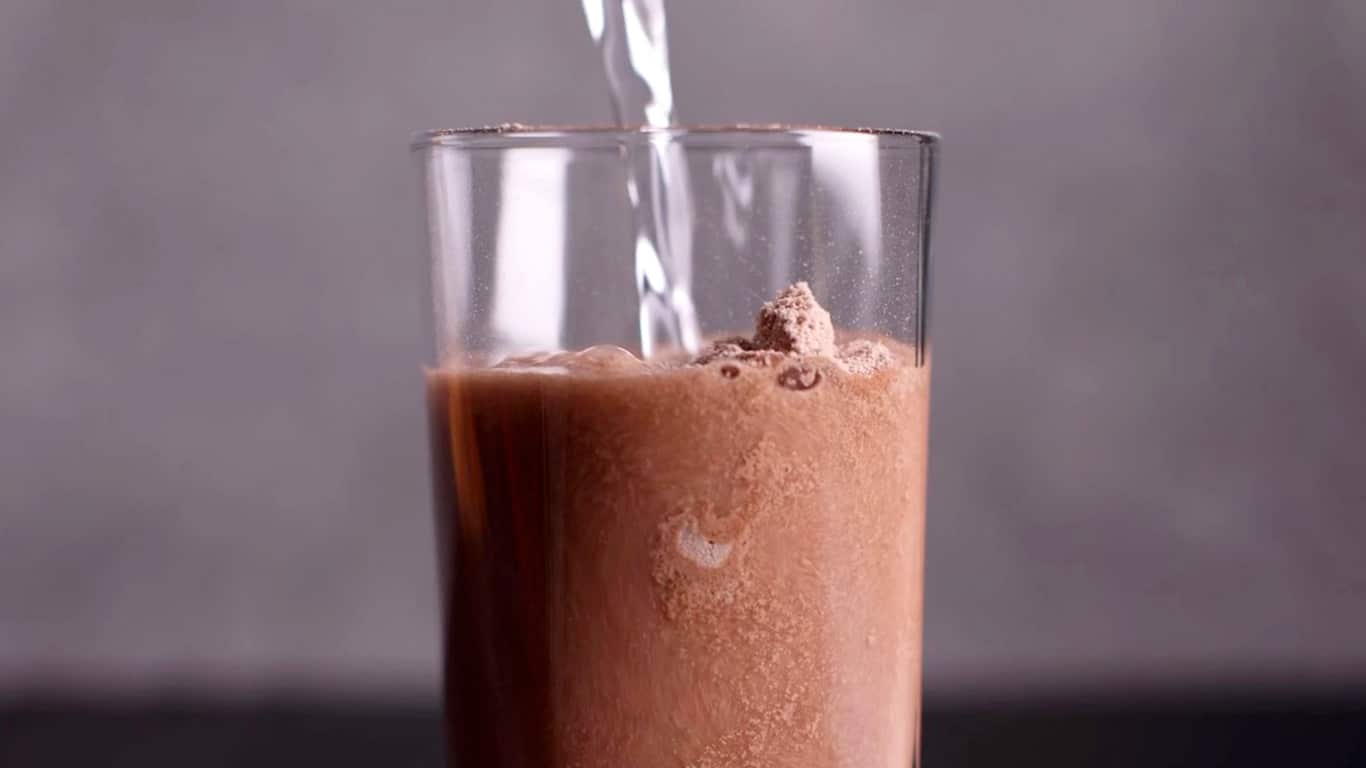
Water is the most convenient (and readily available) option to mix with protein powder. I find it the ideal way to consume protein.
It’s a calorie-free neutral-tasting liquid, making it the perfect choice for gym goers looking to control their calorie intake or maintain their weight.
As it contains zero calories, it’s best if you’re in a cutting phase. But it’s also suitable if you enjoy drinking a protein shake with a lighter consistency.
It’s a great way to get extra protein for muscle gain while keeping your calories low.
For example, the average vanilla protein powder (one of the most versatile flavors, may I add) contains around 110 calories. This value DOESN’T change when mixed with water.
On another note, I’m a massive fan of using water with my protein shakes, as I’ve found it doesn’t cause as much bloating or stomach irritation. This could be a good option if you’re lactose intolerant and want to reduce the amount of lactose in your diet.
It might not be the most exciting option on this list, but it’s a tried and tested method to make your protein shake silky smooth.
If you feel like adding an exotic twist to your shake, you can use coconut water; but coconut water does contain calories.
Tips From A Trainer!
Always use a flavored protein powder with water. I’ve tried it with unflavored protein powder, and it’s not the best experience.
The ideal proportions are 8-10 ounces (240-300ml) of water per scoop of protein powder.
2. Milk
Milke is a nutrient-rich option for mixing protein powder. It provides more protein, fats, and carbohydrates (plus EXTRA calories).
As it provides more protein and calories, it's excellent for those bulking and looking to add a lot of muscle mass.
It’s NOT ideal if you’re counting calories and want to lose weight.
However, you can control the number of calories by changing the type of milk being used. There are several that come to mind:
Cow’s Milk
Alternative Milk Options (Non-Dairy Milk)
Tips From A Trainer!
If you’re choosing plant-based milk, choose fortified options with added nutrients like calcium and vitamin D.
If you choose to use cow’s milk with your protein supplements, I’ve found that they mix rather well in a shaker bottle.
If you choose to use cow’s milk with your protein supplements, I’ve found that they mix rather well in a shaker bottle.
Yet, if you want a silky smooth protein shake, I highly recommend using a blender; it’ll give you the ULTIMATE protein shake consistency.
There’s nothing more satisfying than drinking a smoothie-esque drink.
The ideal proportions are 8-1 ounces (240-300ml) of milk per scoop of protein powder. However, you can adjust this slightly to make it thicker if needs be.
3. Smoothies
Sure, water and milk are AMAZING liquids to mix with protein powder. But have you tried mixing with a smoothie?
It’s a life-changing experience.
Ok, I exaggerated a little, but it’s top-tier, and you NEED to try it out.
Smoothies offer endless possibilities for adding flavor and nutrient density to your protein shakes.
You can tailor them to meet your specific dietary goals and preferences, making them a highly versatile liquid to mix protein powder with.
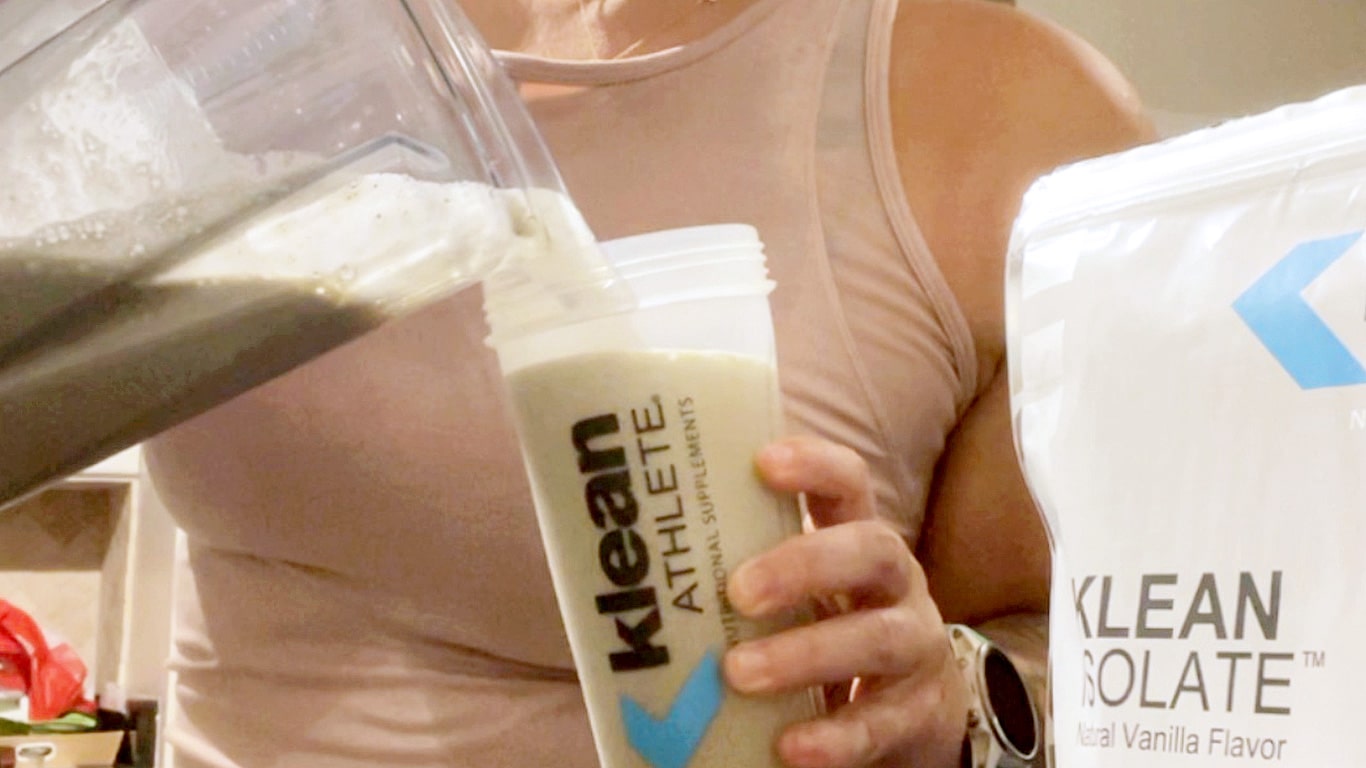
There are several ingredients you can combine protein powder with:
Honestly, the options are endless.
You can create the perfect protein shake to match your fitness goals and taste buds. What’s not to like?
Feel free to mix things up and try a combination of recipes; you might stumble upon a delicious flavor combination (if you do, let me know).
HOWEVER, even though most gym goers might see smoothies as the healthiest option, they come with a higher amount of calories.
This makes sense when you consider the added sugar and fats from the additional ingredients.
If you're not counting calories, feel free to reap the rewards of the smoothie.
Tips From A Trainer!
If you’re on the go, you can create your own meal replacement protein shake. Simply pack the shake with nutritional value and blend the solid ingredients in a high-speed blender.
BOOM, you have a balanced meal in protein smoothie form.
The ideal proportions for this shake are 1-2 cups (240-480ml) of fruit/ingredients per scoop of protein powder.
4. Coffee
Coffee provides an ENERGIZING twist when mixed with protein powder, offering a unique flavor while giving you the benefits of caffeine.
(Sounds good to me)
Adding protein powder to coffee is extremely helpful if you want to work out in the morning. It gives you the fuel needed to get the most from your workout.
OR
You could use it as a midday pick-me-up… We all need one of those from time to time, right?
One of my favorite ways to mix protein with coffee is to make an iced protein coffee shake. It’s highly refreshing, especially during the summer months.
If you want to keep it more traditional, you can mix vanilla protein powder with hot coffee.
Once you try it, you can wave goodbye to the expensive Starbucks vanilla latte and say hello to a delicious protein-packed coffee that’ll help you reach your nutritional goals.
***WARNING***
Added sugars and creamers come with extra calories (even though they’re delicious). Keep an eye on them and make sure they don’t hinder your nutrition goals.
The ideal proportions: Mix 8-10 ounces (240-300ml) of brewed coffee per scoop of protein powder.
Personal observation!
Plant-based protein powders aren’t the nicest-tasting powders with coffee. But vegan vanilla protein powders are the best of a bad bunch.
5. Tea
Tea is a flavorful and antioxidant-rich option for mixing protein powder. There are a HUGE variety of tea types, such as:
Green tea, for example, contains catechins associated with helping weight loss.
However, I must add that studies have shown this to be partially true; the results weren’t statistically significant.[1] Yet green tea does have anti-inflammatory properties.
On the other hand, herbal teas can offer soothing effects and promote relaxation. Teas like chamomile and peppermint are popular for this reason.
Now, I have two tips for you if you’re going to make a tea protein drink:
- Allow the tea to cool down to room temperature (or lower). This will prevent the protein powder from denaturing. If it denatures, you won’t benefit from the increased protein intake.
- If you’re caffeine sensitive, try using decaffeinated teas.
The ideal proportion is 8-10 ounces (240-300ml) of brewed tea per scoop of protein powder.
Creative Ways To Mix Protein Powder Into Meals Or Snacks
There are many ways you can prepare your protein powder outside of the shaker bottle. Below are some of the most popular methods. The last one is my favorite.
Baked Goods
Protein powder can be used to bake a variety of goodies.
If you’ve got a sweet tooth (like me), you’ll be happy to know you can get all the benefits of your favorite protein powders in “treat” form.
You can replace a good portion of the flour you use with whey protein powder, allowing you to experiment with recipes like:
All of the above are excellent ways to boost your protein intake. I’m particularly fond of making my own protein bars; they’re a handy snack to have when I’m on the move.
However, I must say that adding protein powder to your baked food will change the textures slightly.
Experiment with it and figure out which is your favorite protein powder to use.
Greek Yogurt
You can add protein powder to Greek yogurt for a delicious high-protein snack.
It’s pretty straightforward. Follow these simple steps:
- Grab your Greek yogurt and add protein powder.
- Stir well with a fork or spoon to avoid annoying clumps (nobody enjoys large clumps in their yogurt).
- Enjoy your protein-packed snack.
Tips From A Trainer!
Add a handful of chocolate chunks as an extra treat. (Maybe save this for after leg day).
Oatmeal
Oatmeal is the breakfast choice of many gym goers. However, it can become rather boring.
Adding some protein to your oatmeal can spice things up a little.
Chocolate is my go-to flavoring, but you can use most protein powders.
BEST OF ALL, you can top your protein oatmeal with some of your favorite toppings, such as:
If you’re on a vegan diet, you can use almond milk and plant-based protein powder. (I’ve tried many types of protein, and they’re all pretty good with oatmeal).

Pancakes And Waffles
Making protein waffle or pancake batter is a fast way to SLAP a ton of protein on your plate.
And it’s a simple recipe… you replace some of the flour with powdered protein goodness.
Once you make these, you’ll forget all about the smoothie recipes you’ve been using.
You can use flavored or unflavored powder for your protein waffles. I’ve found vanilla is a nice flavor and produces a creamier taste.
Burgers, Meatballs, And Mashed Potatoes
Lastly, you can use protein powders to bind savory dishes such as burgers, meatballs, and mashed potatoes.
By doing so, your food will be packing ONE HELL OF A PUNCH.
For this, I highly recommend using unflavored powders. Unless you want chocolate-flavored burgers…
You don’t want that do you?
Ingredients You Should Avoid Mixing With Protein Powder?
Acidic Fruits
While fruits are full of nutrients like vitamin C, they’re not the best liquid to use for your protein shakes.
Using a liquid like orange juice will cause your protein shake to break down, leaving you with a beautifully layered drink with curdled whey at the top.
Sounds lovely, right?
It’s as pleasant as it sounds. I even tried it out for you guys before…What a mistake that was. (The things I do for you).
Not sure if I can look at orange juice the same way anymore.
Sugary Drinks
Sure, sugary drinks taste great. But if you use them for your protein shake, you’re adding unnecessary sugar and calories to your intake.
It's not a good option if you want to drop a few pounds.
High-Fat Foods
Fats are an essential part of your diet, but adding them to your protein shake isn’t recommended.
While they’ll make your shake taste amazing (I’m looking at your double cream), they’ll add WAYYYY too many calories to your shake.
Plus, it can cause some digestive issues. You don't want to be the gassy lifter in the gym, do you?
Alcohol
Alcohol and protein… I’m sure many of you wish this were possible, and while it is, it wouldn’t taste as nice as you think.
And more importantly, alcohol has been proven to impair muscle protein synthesis.[2]
It literally KILLS your gains.
Common Questions About Mixing Protein Powder
You need around 8-10 ounces (240-300ml) of milk for every 1 scoop of protein. This is roughly the same for all liquids.
Milk should always be the first ingredient in your shake. If you add protein first, it’ll clump at the bottom and won’t mix well.
You can improve the taste of protein powder and water by using a protein flavor you enjoy. And you can add more protein to make the shake thicker.
Yes, once protein is mixed with water, it should be stored in the refrigerator. Over time it’ll break down, but the refrigerator should slow the process.
To gain weight, mix your protein powder with milk, as the added calories will help you gain weight.
Conclusion
When it comes to getting enough protein in your diet, protein shakes are an excellent nutritional supplement. They MASSIVELY boost your intake of this essential macronutrient.
There are many ingredients you can mix your protein powder with, such as:
You can even bake them into snacks such as protein balls or brownies.
Try them all out and see which method you prefer.
I’m a fan of the basic post-workout shake using water with added banana and peanut butter. - You can steal that recipe; it makes an amazing smoothie.
References:
- https://journals.sagepub.com/doi/10.1177/1715163514528668
- https://nutritionandmetabolism.biomedcentral.com/articles/10.1186/1743-7075-6-4
Last Updated on January 1, 2026