Last Updated On January 1, 2026
A few weeks after I recommended that one of my clients start using protein shakes, he called me and asked, “Hey, can protein shakes cause constipation?”
His recent gut health had made him wonder if there is any connection between protein powder and constipation.
The good news is that protein shakes do not necessarily cause constipation. Still, they can contribute to it under certain circumstances.
Since it's a valid concern, I'm here to give you the facts.
5 Reasons Why Protein Shakes May Cause Constipation - Plus How To Prevent It
Years of working with both pro athletes and fitness enthusiasts taught me that these five factors most often lead to constipation when consuming protein shakes. I'll provide tips on preventing it, so you can take advantage of your protein supplement without sacrificing regular bowel movements.
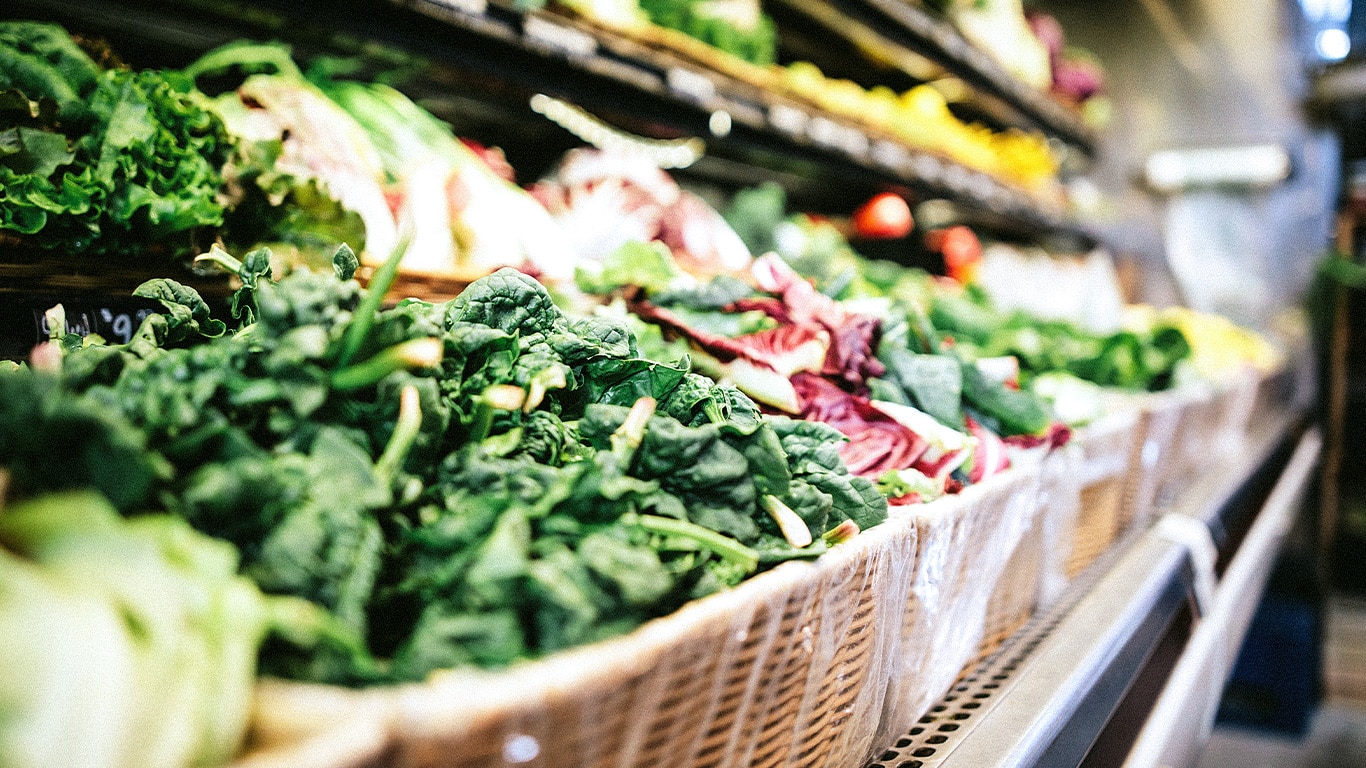
1. Lack Of Fiber In Your Diet
Dietary fiber is an indigestible complex carbohydrate found in plant foods.[1] There are two types of dietary fibers: soluble and insoluble. Soluble fibers can help regulate blood sugar levels and lower cholesterol, while insoluble fibers promote healthy stool and help prevent constipation.
Why Can This Cause Constipation?
Dietary fibers are a type of carbohydrate that the human body cannot digest. They pass through the digestive system mostly unchanged and therefore prevent constipation.
Without enough fiber in your diet, your stool can become hard and difficult to pass, leading to constipation, bloating, and stomach cramps.
How To Prevent It?
My favorite way to prevent constipation and increase fiber intake is to eat bean stew and oatmeal. They are high in fiber and can make you use the toilet after an hour or two.
Although insoluble fiber is more important for the gastrointestinal tract, soluble ones are a good option too.
Here are some excellent sources of fiber:
Additionally, you can add a powder fiber supplement to your protein shake. Just keep in mind that too much fiber, especially soluble fiber, can make constipation even worse, so don’t overdo it.
2. Excessive Protein Intake
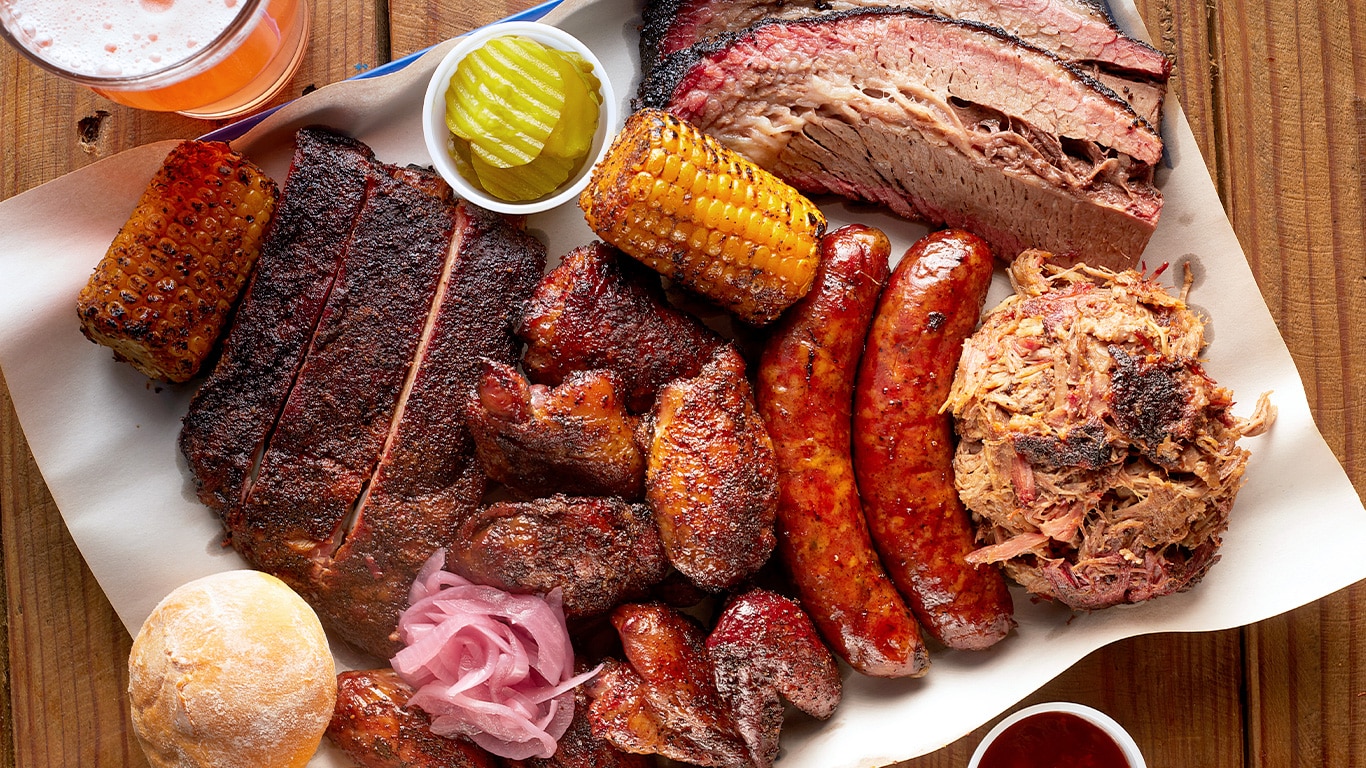
Proteins are the building blocks of life, but intake should be reasonable.[2] I recommend 0.8 to 1.5 grams of protein per pound of body weight to my exercisers. Whether you work out or not, this is more than sufficient for everyone who wants to maintain health and add muscle mass.
Why Can This Cause Constipation?
After you eat a 10oz steak or other high-protein foods, you're full for hours, right?
The feeling of satiety that protein provides is great because it limits binge eating but can also affect how much carbs we eat. And, if we eat less carbs, that usually means less fiber, leading to hard stool, slow digestion, and ultimately constipation.
When you overload on protein, your kidneys use more water than usual, causing dehydration (even if you're not particularly thirsty). And when you're dehydrated, there's a good chance you'll end up constipated.
How To Prevent It?
Every time I overeat meat and other proteins and neglected carbs in my diet, my stomach reminds me that I was making a mistake. It is not difficult to prevent constipation caused by excessive protein intake - all you have to do is reduce proteins (if you consume excessive amounts), increase fiber intake, and drink more water.
Besides, you can eat smaller portions of protein at a time and spread your intake throughout the day.
3. Lactose Intolerance
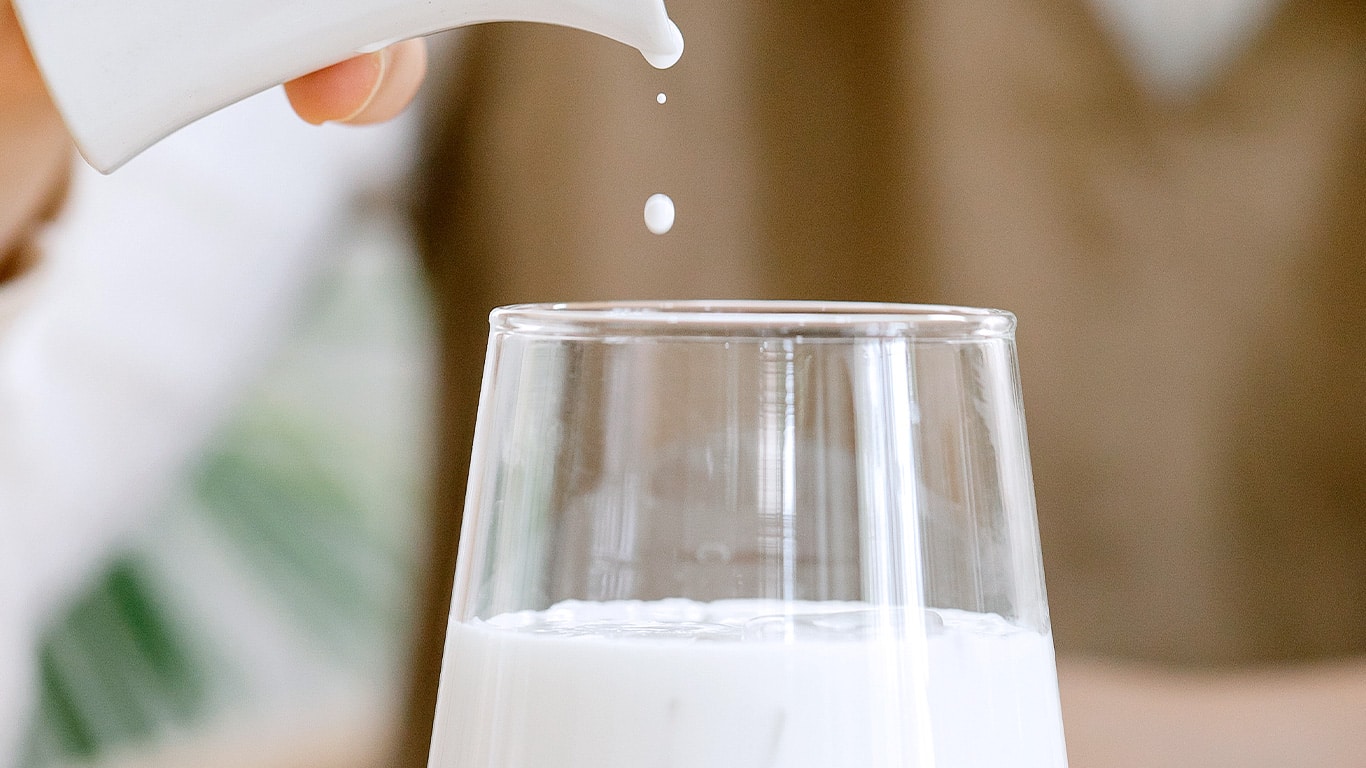
Lactose intolerance is a condition that causes the inability to break down lactose, the sugar in milk. It is one of the most common conditions in the world; about 70% of adults are lactose intolerant.
Generally, it is not dangerous, but it causes annoying symptoms. It can be both genetic and non-genetic.[3] Lactose intolerance is different from irritable bowel syndrome.
Why Can This Cause Constipation?
Constipation is connected with methane produced by gut microbiota. However, further research is needed to clarify the exact connection.
I have never experienced constipation due to lactose, but quite the opposite - diarrhea. Nevertheless, studies have proven that lactose intolerance can also cause constipation.[4] Diarrhea and bloating are more frequent, and about 30% of people experience constipation.
How To Prevent It?
The easiest way to prevent it would be to avoid protein powders and other dairy-based proteins. I know that is not an answer that will satisfy you because most protein shakes contain whey protein powder (milk protein and milk solids.)
You have several options for solving this problem.
Lactose-free or low-lactose products are undoubtedly the best. I prefer whey protein isolate because it contains less than 1% lactose (virtually no lactose.) Hydrolysate is also a good option. If you can’t digest lactose, avoid whey protein concentrate because it contains five times more lactose.
If the problems persist, you should consider adding digestive enzymes and switching from isolate and hydrolysate to plant-based proteins - soy protein, hemp protein, and pea protein.
4. Too Much Calcium
Calcium is the most abundant mineral in the body, primarily known for its effects on bones and teeth, but it also has many other vital functions.
About 1000mg of calcium per day is recommended, and my supplement dose is 700mg daily. You are in danger of hypercalcemia if you take over 2000mg daily for a prolonged period.[5]
Why Can This Cause Constipation?
Excess calcium binds with other minerals and prevents the body from absorbing them, leading to hard stool.
Constipation is one of the mild symptoms of hypercalcemia, while extreme thirst and frequent urination are only related to severe cases.[6]
How To Prevent It?
All that a healthy individual needs to do to prevent constipation caused by calcium is to stick to the recommended dose.
If you take about 1000 mg of calcium or less and still have side effects, consult a doctor. Hypercalcemia cannot be prevented if you have kidney stones, parathyroid gland problems, cancer, or sarcoidosis.
If a doctor or dietitian prescribes you high doses of calcium, they will probably recommend taking constipation medication simultaneously.

5. Gluten Intolerance
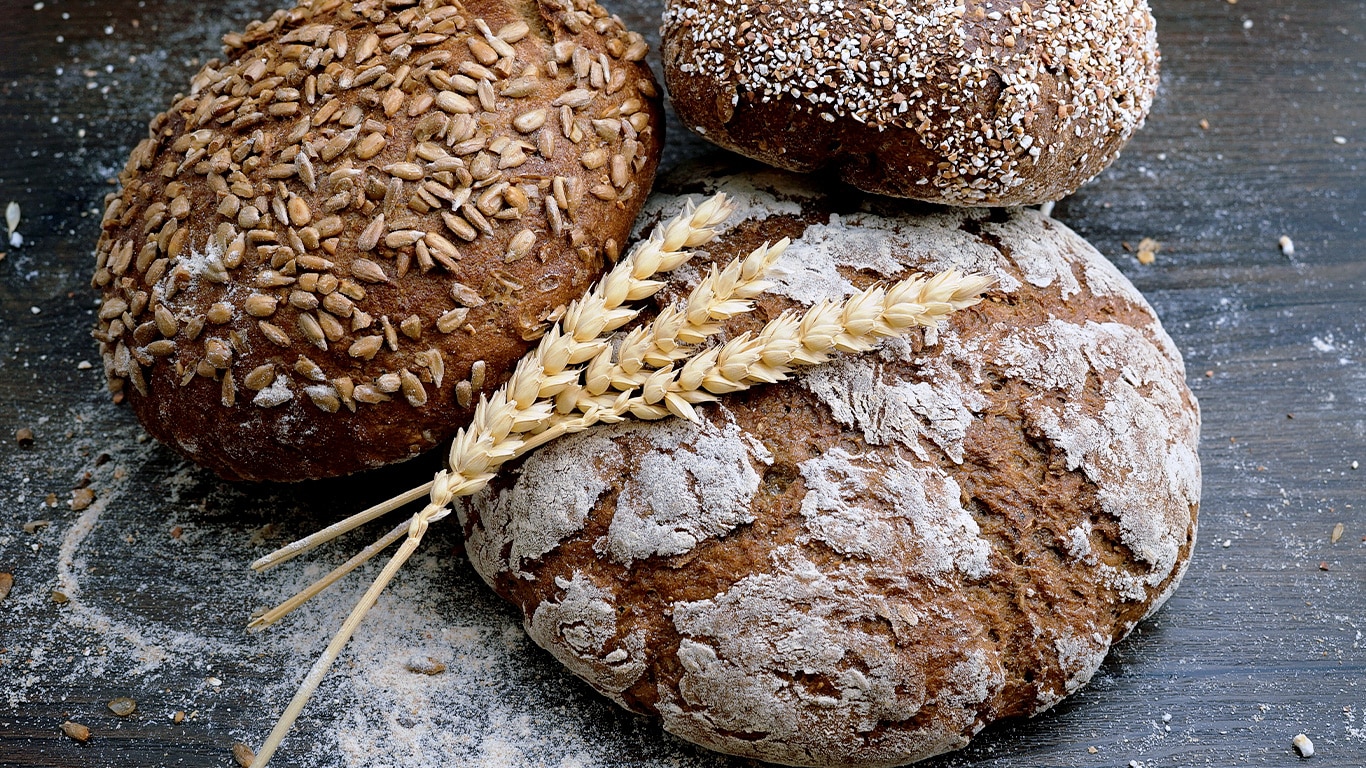
Gluten intolerance, also known as non-celiac gluten sensitivity, is a condition where an individual has difficulty digesting gluten, a protein found in wheat bran, rye, and barley grains.
According to double-blind controlled studies, gluten intolerance is overblown, and I agree.[7] If you have severe symptoms, you most likely suffer from celiac disease, not just poor gluten digestion.
Why Can This Cause Constipation?
Gluten intolerance can cause short-term constipation and bloating because the stomach can’t digest it properly.
When a person with celiac disease ingests gluten, the immune system reacts by attacking it. This immune response can cause inflammation and damage the small intestine, leading to various symptoms, including constipation, abdominal pain, bloating, diarrhea, fatigue, headaches, and joint pain.
How To Prevent It?
There is no cure for gluten intolerance or celiac disease. The only way to manage those conditions is to follow a gluten-free diet. Avoid all foods and beverages that contain wheat, barley, or rye. If processed foods are not made in a gluten-free facility, you can encounter GI tract problems because of hidden gluten sources.
How To Treat Constipation?
There are several things you can do at home to treat constipation or at least alleviate symptoms.
I advise you to talk to your doctor before using any medication for constipation if you are suffering from chronic constipation or have other concerning symptoms, such as abdominal pain or bleeding.
What Are Potential Side Effects Of Drinking Too Many Protein Shakes?
Drinking protein shakes in moderation is healthy and beneficial, but consuming too much protein can do more harm than good. From my experience, the following five are the most common side effects.
1. Weight Gain
You must remember that protein beverages add to your daily calorie/macro intake. Whole milk and high-calorie additives in your shake further contribute to calorie content.
You will accumulate body fat if you consistently consume more calories than your body spends. So, you have to balance your protein shake consumption with regular exercise and a healthy balanced diet to avoid weight gain.
2. Dehydration
Protein powder does not cause dehydration, but overall protein intake can be the reason for increased thirst and more concentrated urine.[8] Those who consume over 1.5g of protein per pound of body weight should drink more water to facilitate kidney functioning.
However, if you're thirsty immediately after drinking a protein shake, it's unlikely that whey protein is the culprit. Instead, you should blame other typical key ingredients, such as artificial sweeteners.
3. Digestive Issues
Constipation is not the only digestive issue most protein powders may provoke. Concentrated amounts of protein can be challenging for the body to digest, often leading to stomach distress and, in some cases, diarrhea and nausea.
These are not symptoms you should ignore, but you should find out whether the cause is an underlying medical condition (dairy intolerance) or you are just consuming too much protein.
4. Nutrient Deficiencies
Remember! Protein shakes are an excellent source of protein, but they are not a replacement for whole foods. You can't avoid nutrient deficiency if you consume protein powder multiple times every day and not enough whole foods.
You will mostly lack healthy fats, minerals, and vitamins. Protein shakes are a convenient and healthy snack, not a meal supplement drink. It's essential to have a balanced overall diet that includes a variety of whole foods.

5. Acne
There are two reasons why protein shakes can be bad for the skin. The first and most common reason is whey (or other dairy ingredients). They increase sebum production, leading to clogged pores and acne.
If you're prone to acne, it's essential to check the ingredients in your protein powder and opt for a plant-based option if possible.
Another reason is the presence of androgenic steroid hormones in milk, but premium producers take care of this, so you don't have to worry if you are buying from reputable brands.
Constipation and Protein Questions
Chocolate protein drinks do not inherently cause constipation. However, some chocolate protein shakes may contain less fiber than other protein drinks or have higher cocoa content, which can contribute to constipation.
Premier Protein Shakes can cause constipation. At first glance, the ratio of protein, fats, sugar, and price seems perfect, but a quick look at the ingredient list of Premier Protein Shakes reveals many artificial additives that can cause digestive problems, including irregular bowel movement.
A high-protein diet does not cause constipation per se but can contribute to the issue.
When you eat a lot of protein, your digestive system must work harder to break it down, so consuming plenty of fiber is crucial to keep your bowels moving smoothly.
And some high-protein diets don't include enough carbs and fiber, so pay attention to that as well.
Protein bars may or may not cause constipation, depending on the ingredients and protein present.
For example, some protein bars contain artificial sweeteners and flavors that have a negative effect on the digestive tract.
The same applies to natural ingredients that cause constipation, such as bananas, rice, milk, and white flour.
In Summary
The bottom line is that protein shakes can cause constipation for some people, but it's not a universal side effect.
Before buying, make sure the powder is free of sugar alcohols to prevent problems.
If you're still experiencing constipation after drinking protein shakes, you can alleviate this issue by staying hydrated and increasing your intake of fiber-rich foods.
References:
- https://www.ncbi.nlm.nih.gov/books/NBK218753/?report=reader
- https://www.mdpi.com/2072-6643/10/3/360
- https://www.ncbi.nlm.nih.gov/pmc/articles/PMC7551416/
- https://www.mdpi.com/2072-6643/14/9/1785
- https://my.clevelandclinic.org/health/diseases/14597-hypercalcemia
- https://www.dovepress.com/the-good-the-bad-and-the-ugly-of-calcium-supplementation-a-review-of-c-peer-reviewed-fulltext-article-CIA
- https://f1000research.com/articles/7-1631/v1
- https://www.eurekalert.org/news-releases/886083
Last Updated on January 1, 2026